What Tzuras HaDaf is
Tzuras HaDaf, “the form of the page,” is the way the Talmud has been printed since the first printed editions, and it became fixed in the Vilna Shas: the classic Vilna page layout. The Gemara stands in the middle of the page in square letters, Rashi on the inner side, next to the binding, and Tosafos on the outer side, both in Rashi script. The first lines of the commentaries are wide and stand above the Gemara, and the longer commentary continues below it as well.
Because Rashi is always on the side of the binding, the sides flip between the right-hand and the left-hand page. When the sefer lies open, the Rashi of both pages meets in the middle, and Tosafos stands at the two outer edges.
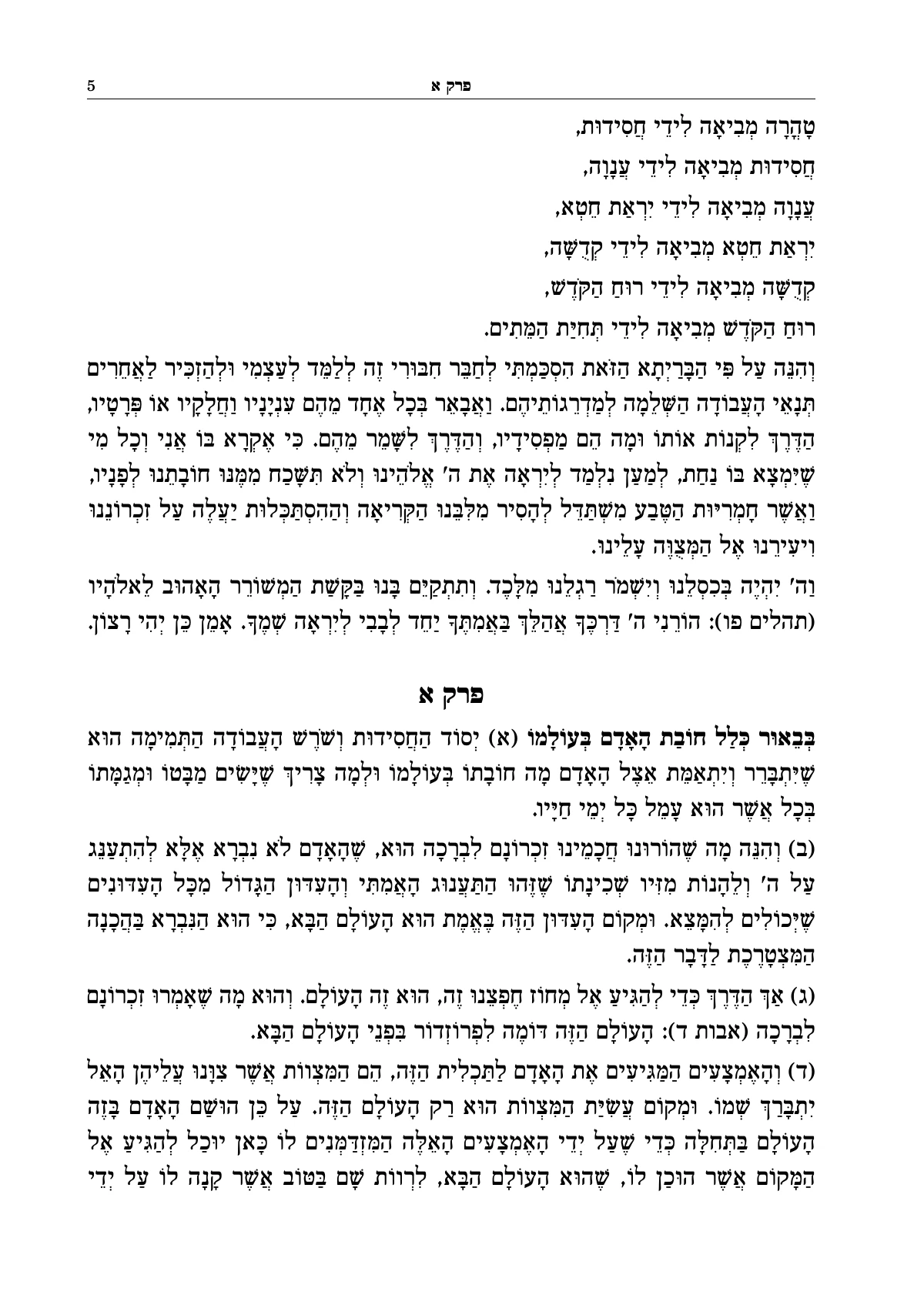
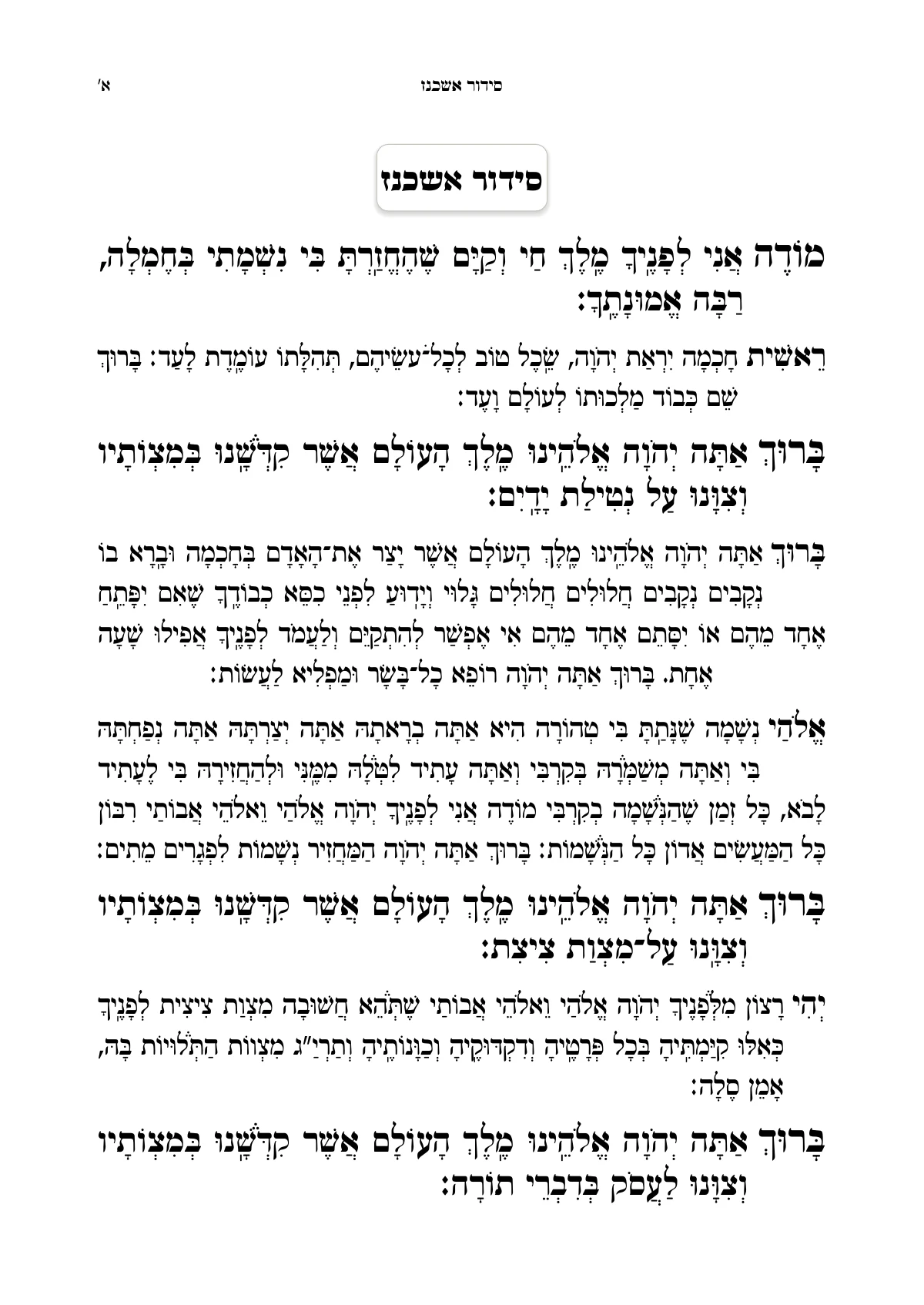
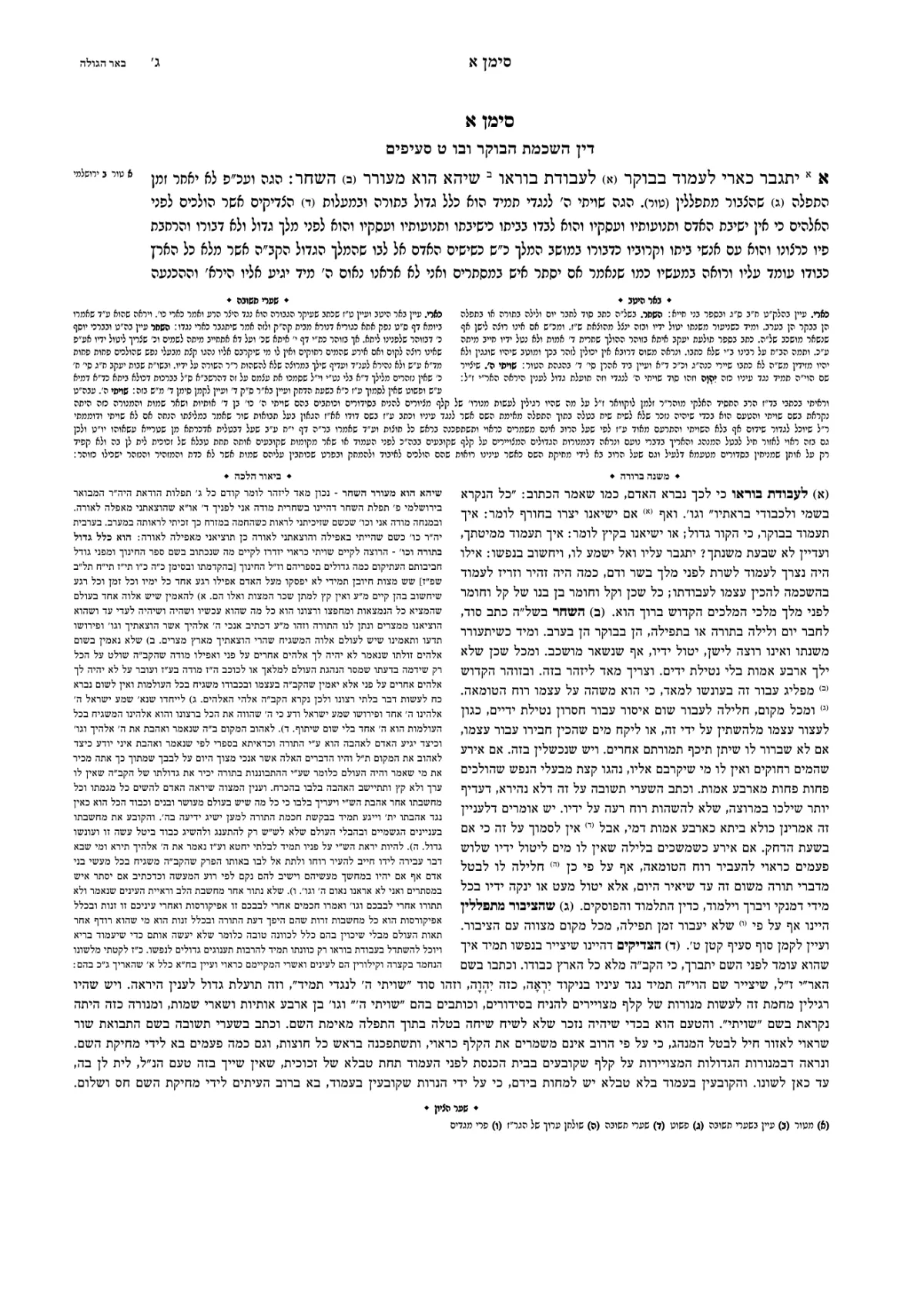
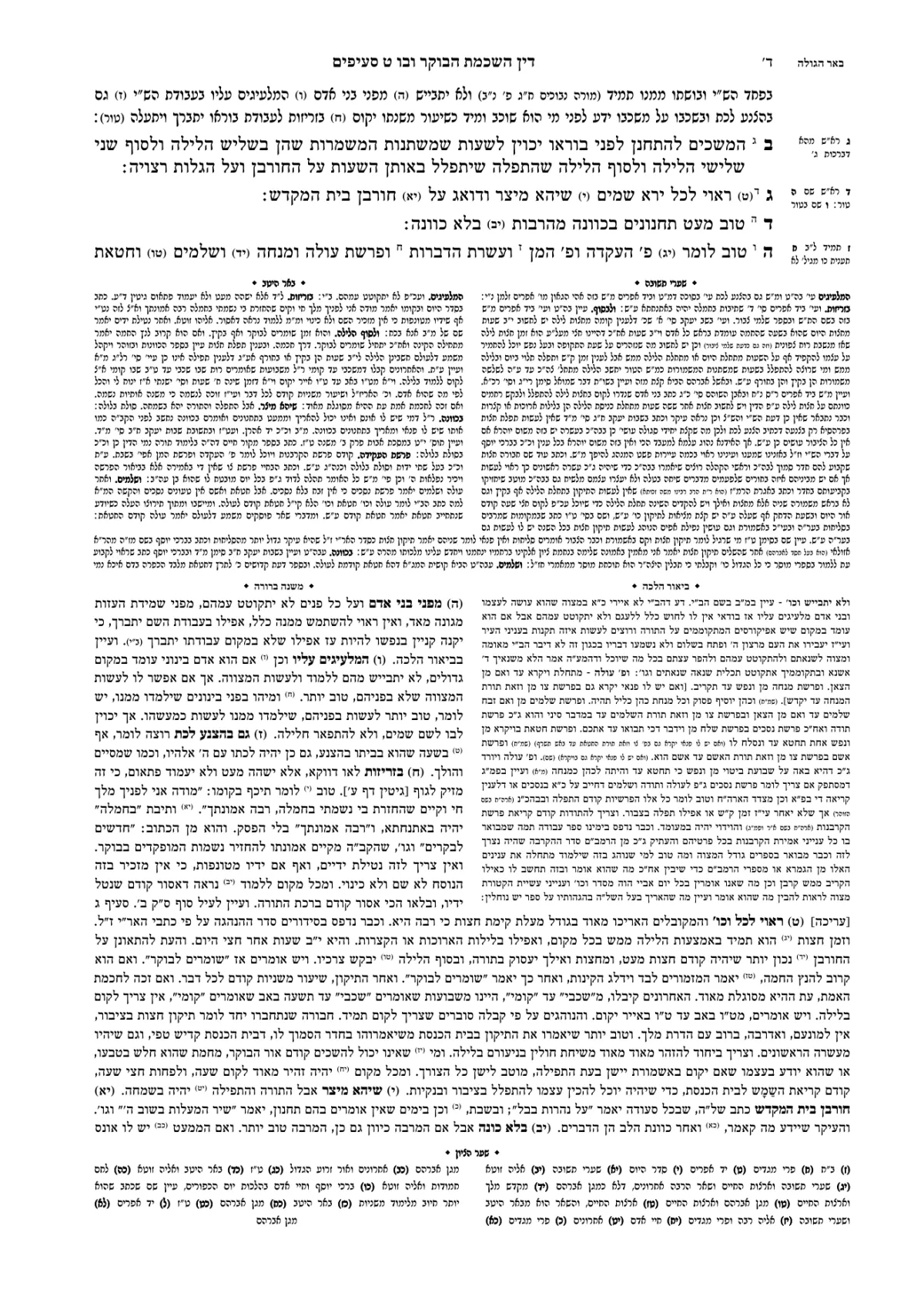
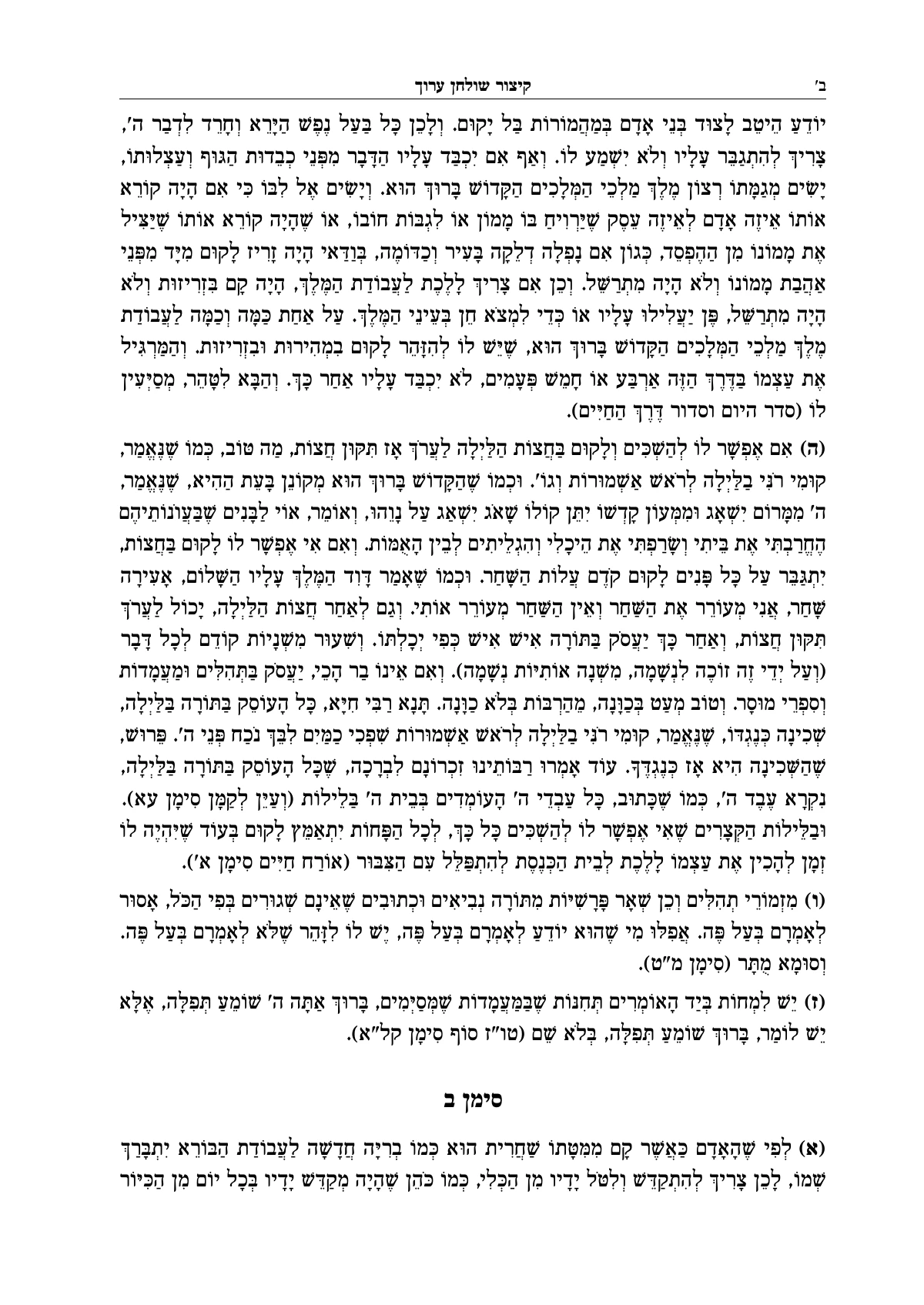
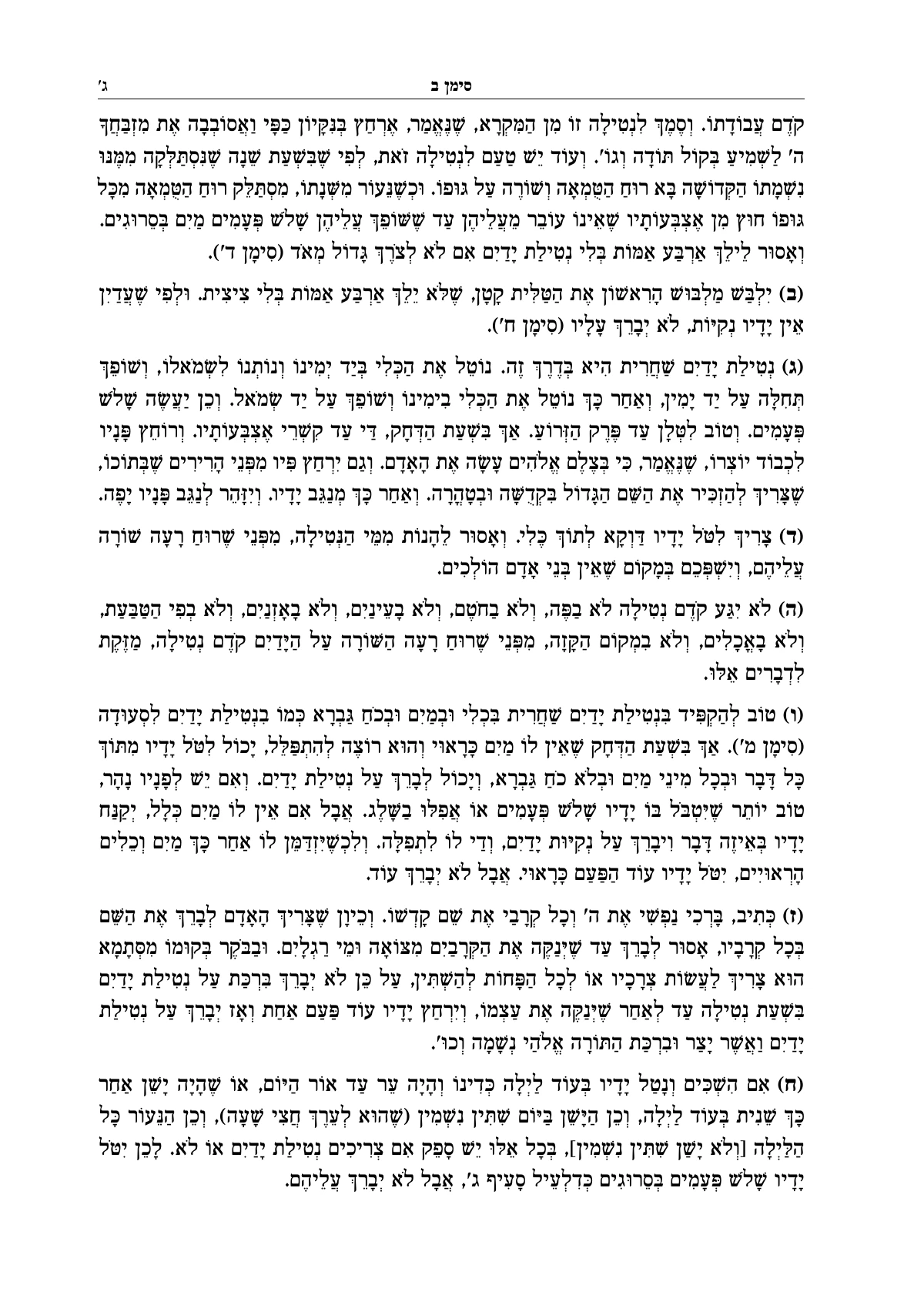
The layout isn't only the Gemara's. A Mishnah with its commentators, Shulchan Aruch with its nosei keilim, Mikraos Gedolos, and new seforim whose authors want the commentary to stand opposite the text: all of them are multi-text works, several texts on one page that depend on one another.
Why it is hard to typeset by hand
On an ordinary page there is one question: how many lines fit. In Tzuras HaDaf every decision depends on the others:
- How much Gemara fits on the page depends on how much Rashi and Tosafos there is on those lines, because they have to fit on the same page.
- The width of the columns changes down the page: wide at the top, narrow beside the Gemara, and wide again at the bottom.
- When one commentary is short and the other long, someone has to decide which one gets the space under the Gemara.
- Correcting one word on page 3 changes how every page after it is divided.
An experienced typesetter solves this page after page, and after every round of proofreading solves it again. That is why multi-text typesetting is the most expensive and the slowest work in the field.
How Ariach typesets Tzuras HaDaf
In Ariach you don't arrange one page after another. The engine works out the whole book at once, and works it out again after every change:
- Every dibbur on the page of its word. Each piece of a commentary is anchored to a word in the main text, and the engine divides the pages so that they stay together.
- The sides flip by themselves. You set once which commentary goes by the binding and which on the outside.
- Pages full to the last line. The columns end on the same line, without pushing lines by hand.
- A page that didn't work out says why. It is flagged for review, with the reason and with what you can do. Nothing is fixed behind your back.
- What you set by hand stays. “New page here” or “keep with the next paragraph” are anchored to words, not to a place on the page, so they don't move when the text changes.
- Less open space, fewer pages. An open line is the last resort: the engine would rather let a note continue on the next page. In Maseches Berachos, for example, the pages with open space went down from 35 to 2.
- The details of the daf. The commentaries' lines above the Gemara, a narrow column in the margin like Ein Mishpat, a commentary on a commentary, and lines of two commentaries that stand opposite each other.
What the typesetter decides by hand
The engine's decisions are good, but the sefer is yours. Layout instructions give you the last word: end the page before this word, one line less or more, start this section on the next page. An instruction is anchored to words, not to a place on the page, so it stays right even after the proofreader has added a line on page 3.
And in the page division view you drag the bottom of each text on the page itself: how much Gemara, how much Rashi, how much Tosafos. You see at once what moved to the next page. An instruction whose situation has changed (its word was deleted, for example) is switched off and flagged, not quietly applied somewhere else. And how the engine decides where a page ends in the first place: why didn't this page work out.
Not only Gemara: up to sixteen commentaries on a page
The same engine typesets any multi-text sefer. The same chapter can stand with notes at the bottom of the page, or with the commentaries on both sides of it. Change the layout, and the text stays as it is.
Weighing software for a sefer like this? Ariach, Tag, InDesign or Word.