What sets the price
Ask a typesetter for a quote and you will always hear “it depends on the book.” That is the right answer, and these are the things it depends on:
- The number of pages. Most typesetters charge per typeset page.
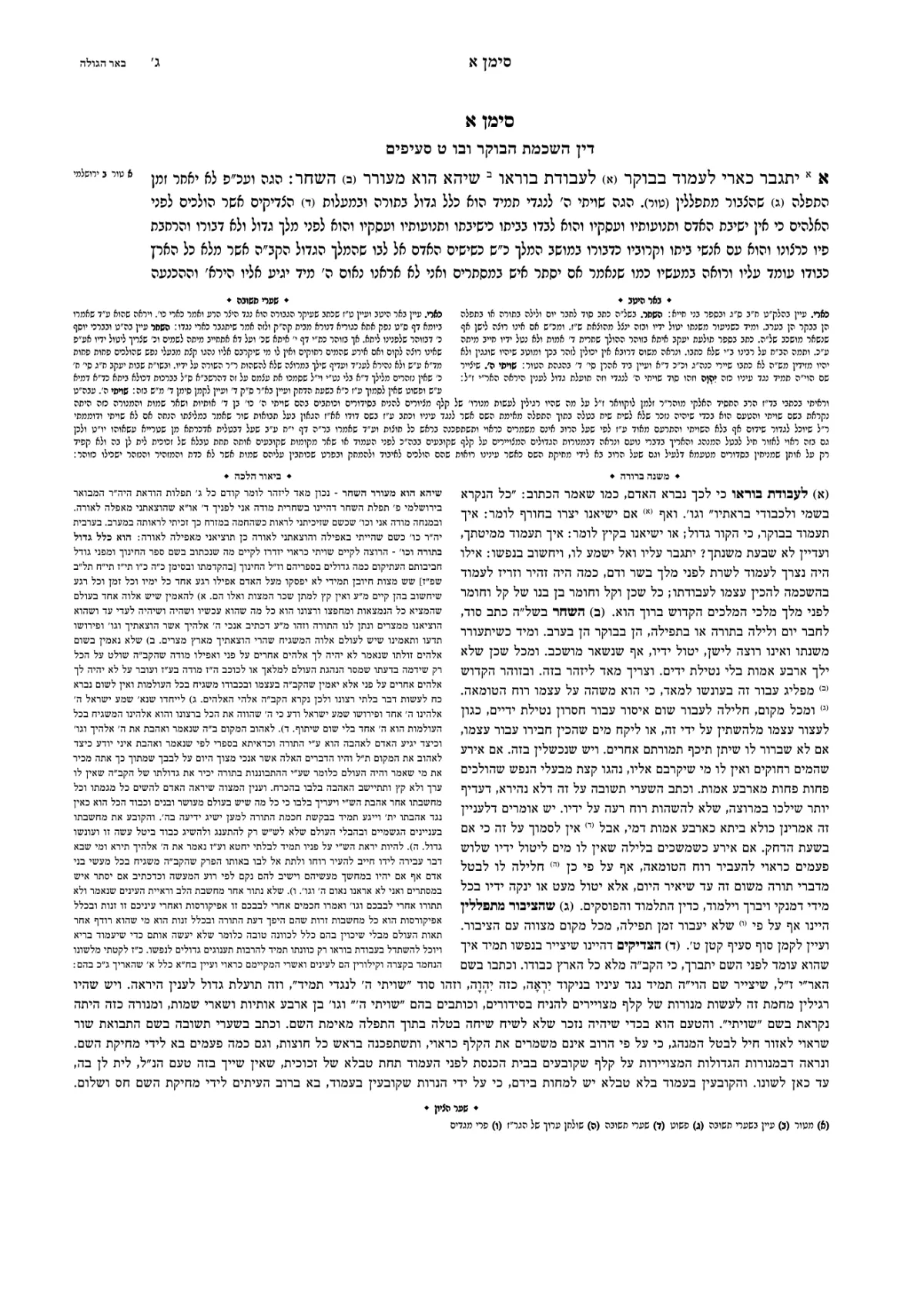
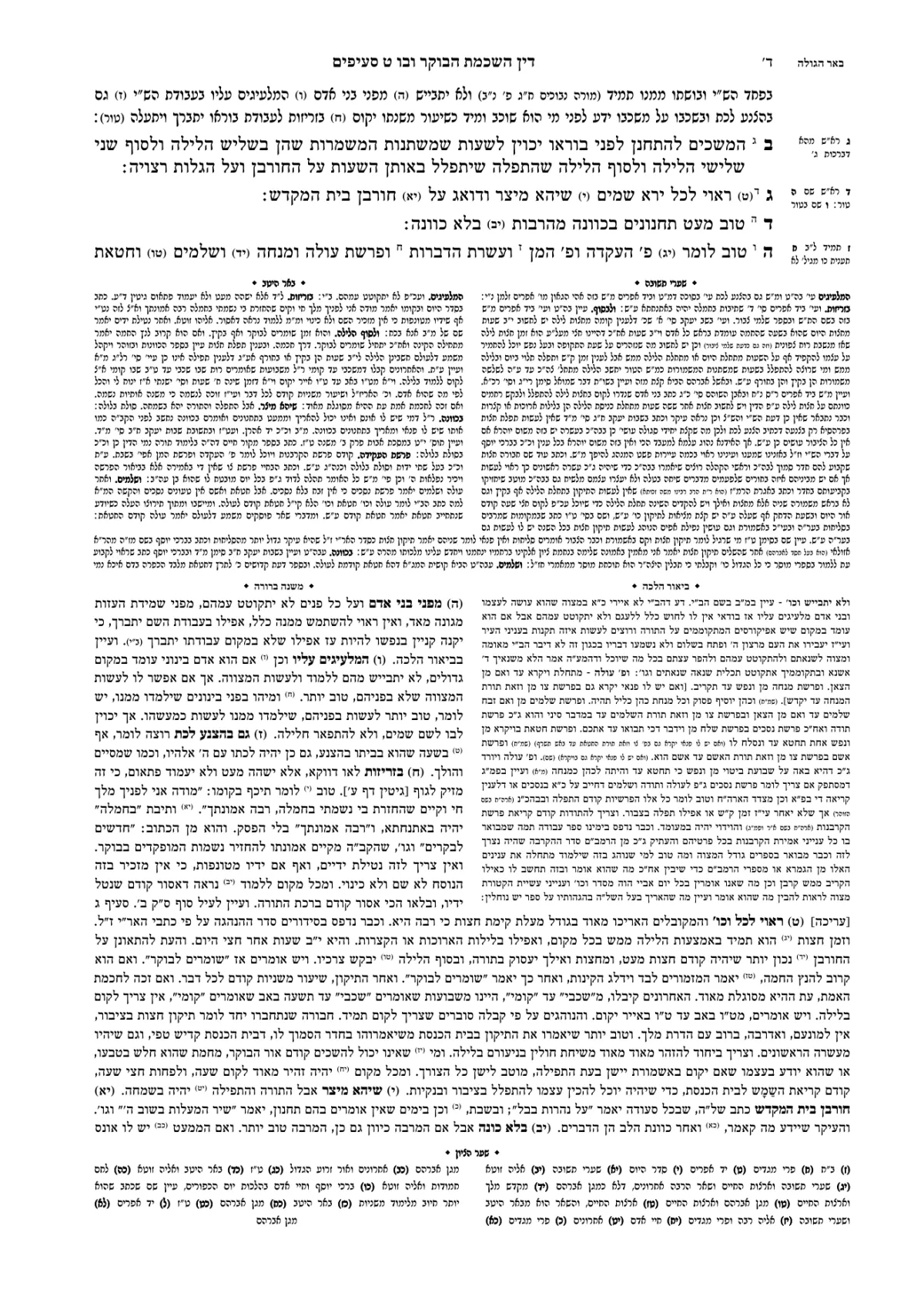
- The complexity. Running text, a book with footnotes, a book with two sets of notes, or a multi-text sefer with commentaries standing around the text. Each step up costs more.
- Nikud and taamim. Text with nikud needs more checking, and sometimes nikud that has to be added or corrected.
- The state of the text you hand in. An orderly file, with its headings marked, is cheaper to typeset than a file that has to be cleaned up first.
- Rounds of corrections. How many times the book comes back from proofreading. Every round moves pages, and in manual typesetting they have to be arranged again.
- The schedule. A book that has to be ready before an event or a yahrzeit costs more.
Four ways to typeset a book, and what each one costs
The price is not only money. Each way costs a different mix of money, time and learning.
- A professional typesetter
- You pay per page and get a finished book. The right choice for a complex sefer, and for anyone without the time or the wish to deal with it. The price depends on the book.
- Yourself, in professional typesetting software
- Tag or InDesign. You pay for the license and for the time it takes to learn. Worth it for someone who publishes books regularly.
- Yourself, in Word
- No extra cost if you already have Word. Suits a kuntres or a simple book, and takes handwork once the book gets complicated.
- In Ariach
- Free during the beta. Upload a Word file and get a typeset book, and you can add a typesetter to the same book.
A detailed comparison of the software: Ariach, Tag, InDesign or Word.
What to ask a typesetter before agreeing on a price
What counts as a page?
A typeset page of the finished book, or a page of the Word file? And what about the title pages, the table of contents and the indexes?
How many rounds of corrections are included?
And what a correction costs after the last round. This is where most of the surprises are.
Can I see sample pages before we start?
A few pages from your book, in the proposed design. It is easy to change direction at this stage, and hard after it.
What do I get at the end?
A print PDF, certainly. Ask about the open file too, in case you want to bring out a second edition with another typesetter.
Who coordinates with the print shop?
Trim size, bleed, black or color. Someone has to make sure the file matches what the print shop asks for.
Where Ariach saves
In manual typesetting, most of the cost is not the first layout but what comes after it: every correction moves pages, and the typesetter arranges them again. In Ariach the whole book is laid out again after every correction, and so:
- Another round of proofreading doesn't cost another round of typesetting.
- The proofreader comments and suggests corrections in the book itself, without lists of corrections going back and forth.
- A second edition, or the same book at another size, is a change of a setting, not a new typesetting job.
And whoever prefers a typesetter gains from this too: a typesetter working in Ariach doesn't have to rearrange the pages after every round. Want to understand exactly what typesetting involves? How to typeset a sefer.